The concentrated expertise of the Wirtgen Group at Kutter
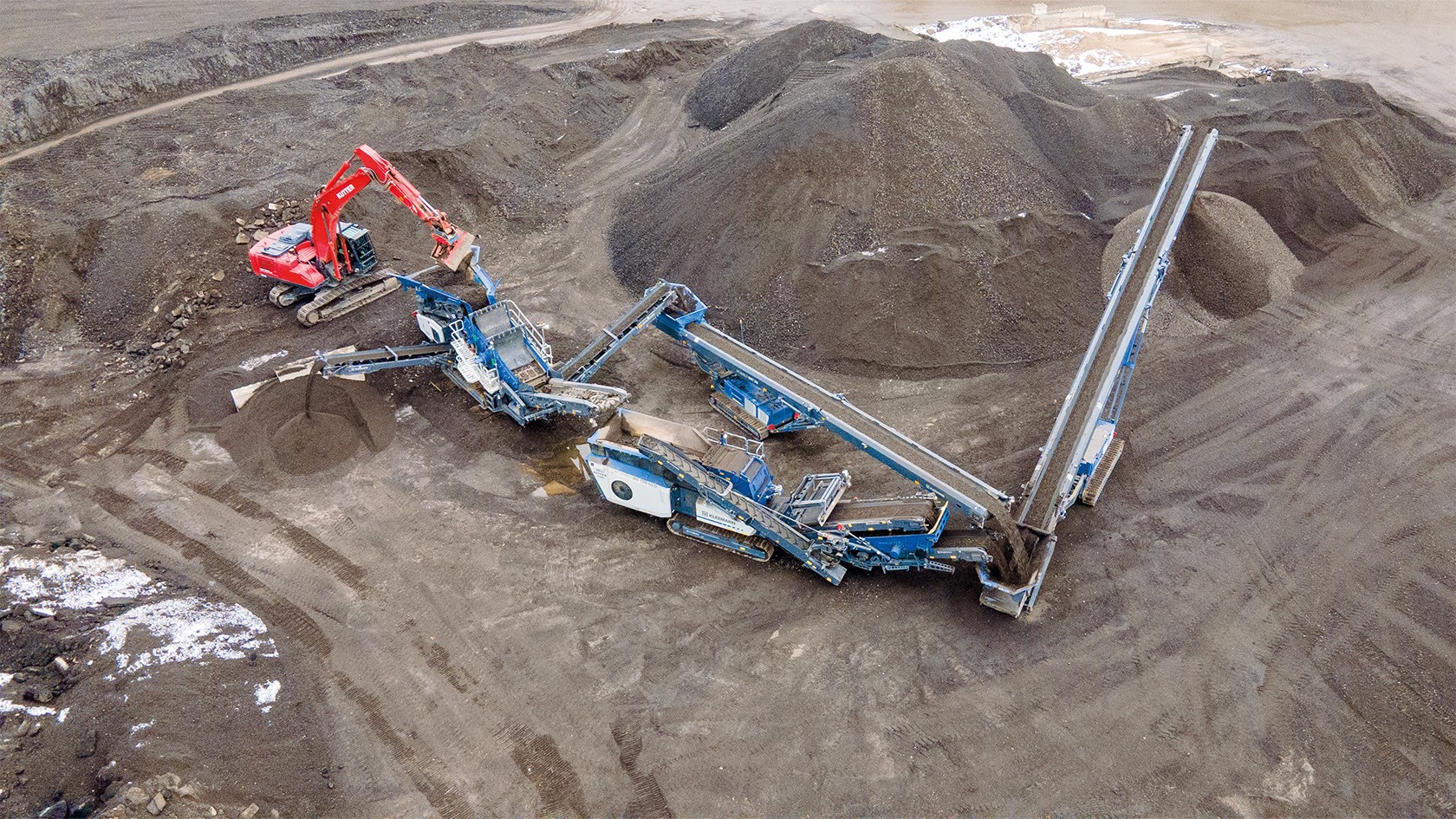
The construction contractor relies on a well-thought-out process chain for recycling reclaimed asphalt pavement material (RAP). A central role here is played by a plant train from Kleemann, which makes the processing of milled material precise, efficient and economical. At the same time, Kutter benefits from the complete package of Wirtgen Group.
Kutter offers all services related to road and building construction. The company operates its own asphalt mixing plants, provides milling services for decommissioning and renaturing projects, and processes and recycles the resulting materials. For years, the company has pursued a strategy of treating reclaimed asphalt as a high-quality, fully reusable raw material. The combination of precise separation of the removed road surface, processing, and reuse makes it possible to close the material cycle almost completely. Simone Eichiner, Head of the Asphalt Mixing Plant Division at Kutter, emphasizes that recycling is also a significant economic factor in this context: “Asphalt can be completely recycled. We consistently take advantage of this opportunity. It enables us to reduce our costs and also makes us independent of third party suppliers.”
The Wirtgen Group comprising Wirtgen, Vögele, Hamm, Kleemann, and Benninghoven, offers Kutter its comprehensive range of machines and plants from a single source. Kutter has come to particularly appreciate the application consulting services provided across the individual brands. “This interaction optimizes the overall process. The consultants also think outside the box. Their focus is on the applications, not on the individual products. This has proved to be an enormous advantage,” says Simone Eichiner. “The technical support, fast spare part deliveries, training for digital tools - everything meshes really well.”
“The crushing and screening plants produce material with a lower content of fines that better meets the requirements of the desired grading curve. That’s important when it comes to the production of asphalt mixes that have to fulfill the criteria of the relevant standards. At the same time, efficient utilization of fuels and increased hourly output contributes to the reduction of operating costs.”
Simone Eichiner, Head of the Asphalt Mixing Plant Division at Kutter
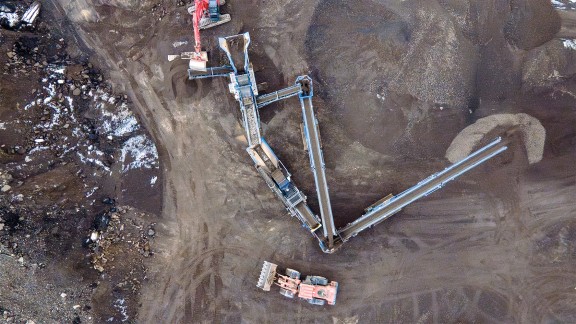
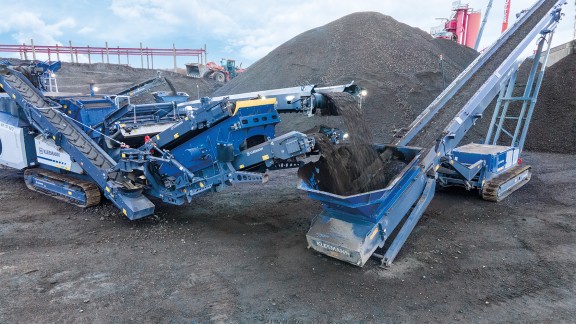
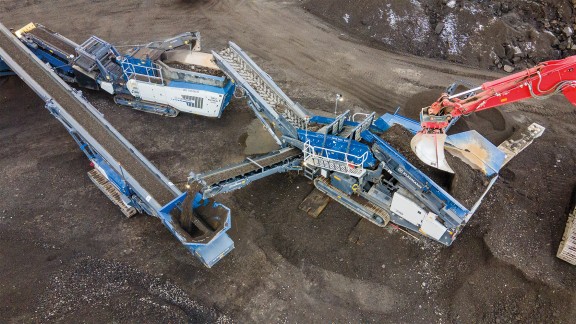
The new Kleemann plant train, comprising a MOBISCREEN MSS 502 EVO scalper, a MOBIREX MR 100 NEO impact crusher, and a MOBIBELT MBT 20 stacker, enables the production of homogeneous fractions – delivering graded aggregates that meet the stringent standards for RAP materials re-used in asphalt mixes. The plant train enters the loop: the interaction during asphalt recycling begins with selective milling. If project schedules allow, the surface layer, binder courses and base layers are selectively removed with Wirtgen milling machines, which improves the quality of the resulting RAP material. After scalping, crushing, and screening with the Kleemann plant train, the RAP material is added to the mix recipe in the asphalt mixing plant. Here, the prepared material becomes an ingredient of the new asphalt mix. Machines from Vögele and Hamm complete the material cycle by paving and compacting the new mix. This results in a coherent, efficient cycle from extraction and processing to reuse.
The New Power Player in the Team: The Kleemann Plant Train
Kutter operates the new Kleemann plant train in the Allgäu region, near Memmingen. First, the reclaimed asphalt material is loaded into the scalper. Large blocks (> 500 mm) of milled material formed by accretion during storage are broken up to a manageable size beforehand. The overall procedure is as follows:
All this enables the production of homogeneous final products that can be fed into the asphalt mixing plant at the highest possible feed rates.
Simone Eichiner is very satisfied with the performance of the plant train: “The crusher and the screening plant produce material with a reduced content of fines that better meets the requirements of the desired grading curve. That’s important when it comes to the production of asphalt mixes that have to fulfill the criteria of the relevant standards. At the same time, efficient utilization of fuels and increased hourly output contributes to the reduction of operating costs.” For large companies operating at various locations, it is also a particular advantage that the Kleemann plants can be quickly relocated and adapted to varying site conditions.
The Kleemann plant train crushes and screens up to 240 tonnes of RAP per hour. After crushing, the material is separated into two defined final grain sizes: 0–11 mm for surface layers and binder courses and 0–22 mm for base layers or binder courses. Both fractions are fed into the asphalt mixing plant, where they are incorporated into the new mix.
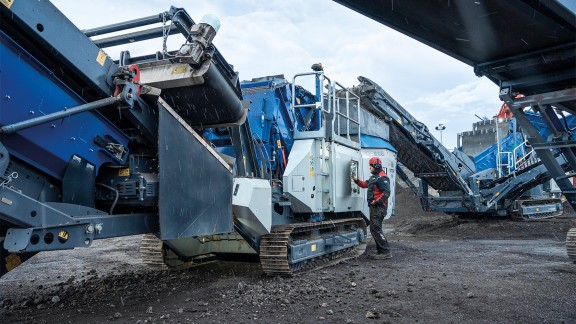
Crusher operator Thomas Guggenmoos particularly likes the handling of the machine and the Lock & Turn Quick Access system: “The system enables quick and safe opening of the crusher for maintenance and inspection and has proved to be very useful in our daily operations. It ensures minimal downtime and saves us time and stress. All in all, access to key maintenance points is really very good.”
SPECTIVE CONNECT has also proved to be a valuable asset on-the site. The digital application delivers real-time information on consumption, output, plant utilization rates, and possible malfunctions. Precise fault localization ensures much faster rectification of interruptions in ongoing operations. Thomas Guggenmoser sees this as a clear advantage: “The excavator or wheel loader driver can view the plant status at any time, which makes everything more efficient and avoids unnecessary service call-outs and interruptions.”
“The Lock & Turn Quick Access system enables quick and safe opening of the crusher for maintenance and inspection, which is a great help in our day-to-day operations. It ensures minimal downtime and saves us time and stress. All in all, access to key maintenance points is really very good.”
Operator Thomas Guggenmoser, at the machine
Material recycling is a key factor in Kutter’s business strategy. Through in-situ processing, material transport movements can be reduced to an absolute minimum. It can help us to reduce fuel and vehicle costs and the associated CO₂ emissions. The use of RAP can significantly reduce the quantity of new material required and lead to lower expenditure on bitumen. Simone Eichiner sees a bright future ahead: “Recycling will continue to grow in importance as regulatory requirements drive the use of RAP while also creating economic benefits.”
The cooperation between the Wirtgen Group and Kutter has paid off across the board: “It's not just about the performance of individual machines. We have to look at the big picture – from ‘harvesting’ the RAP to the finished asphalt mix,” says Simone Eichiner. Kutter has successfully implemented the process chain: from the fine tuning of material separation and coordination of the crushing and screening process to the production and paving of new asphalt mixes.
Facts and Figures