TBA 3000 Plus with the REVOC system
November 2026 | Reading time: 6 min.
How smart planning keeps Piedmont's asphalt flowing
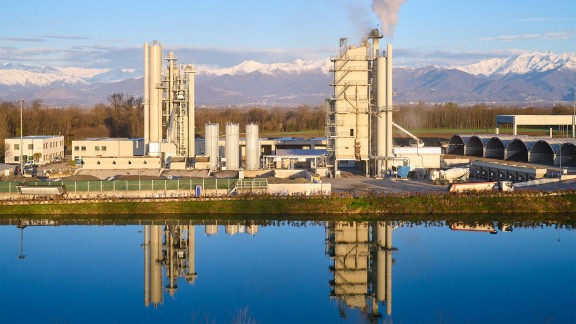
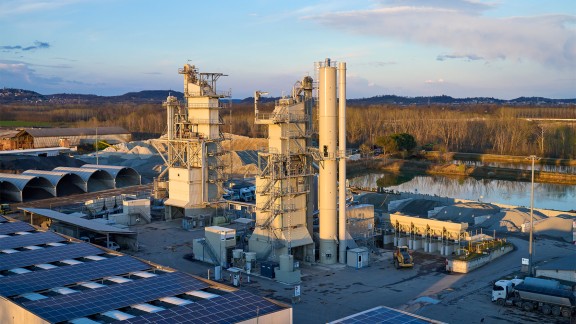
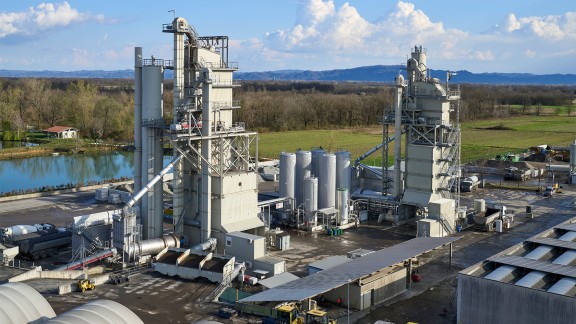
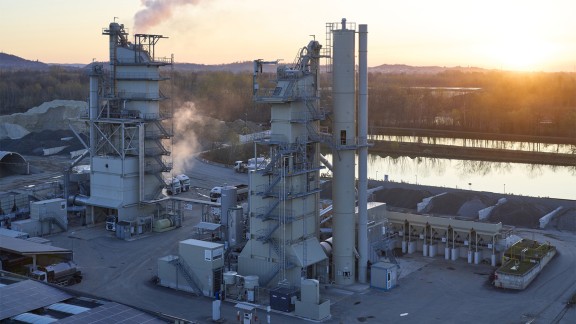
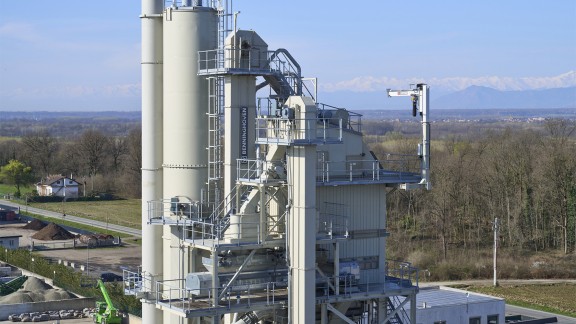
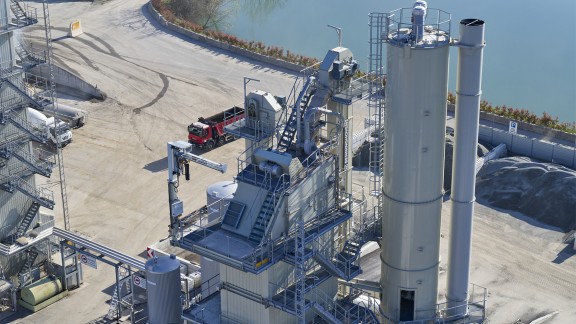
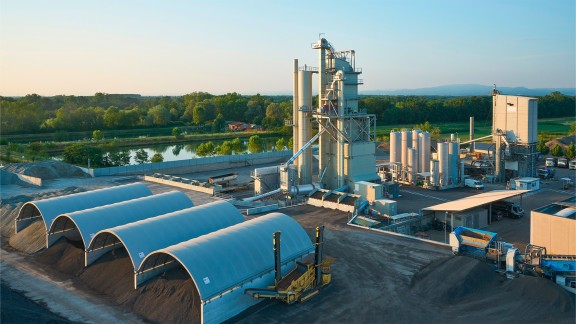
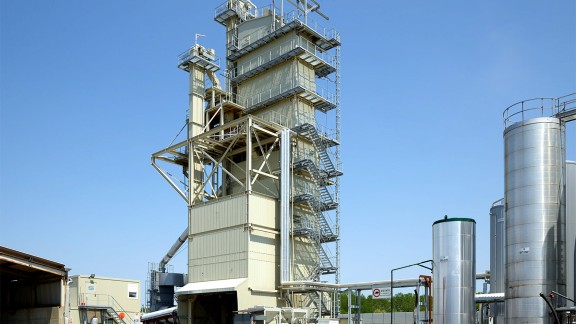
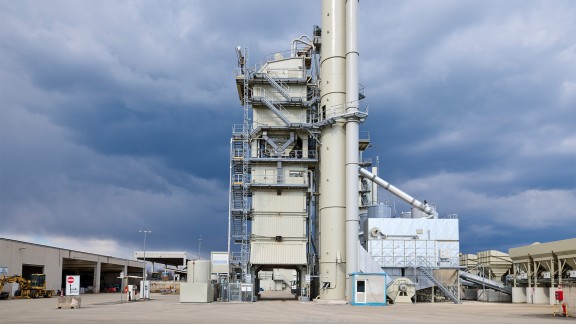
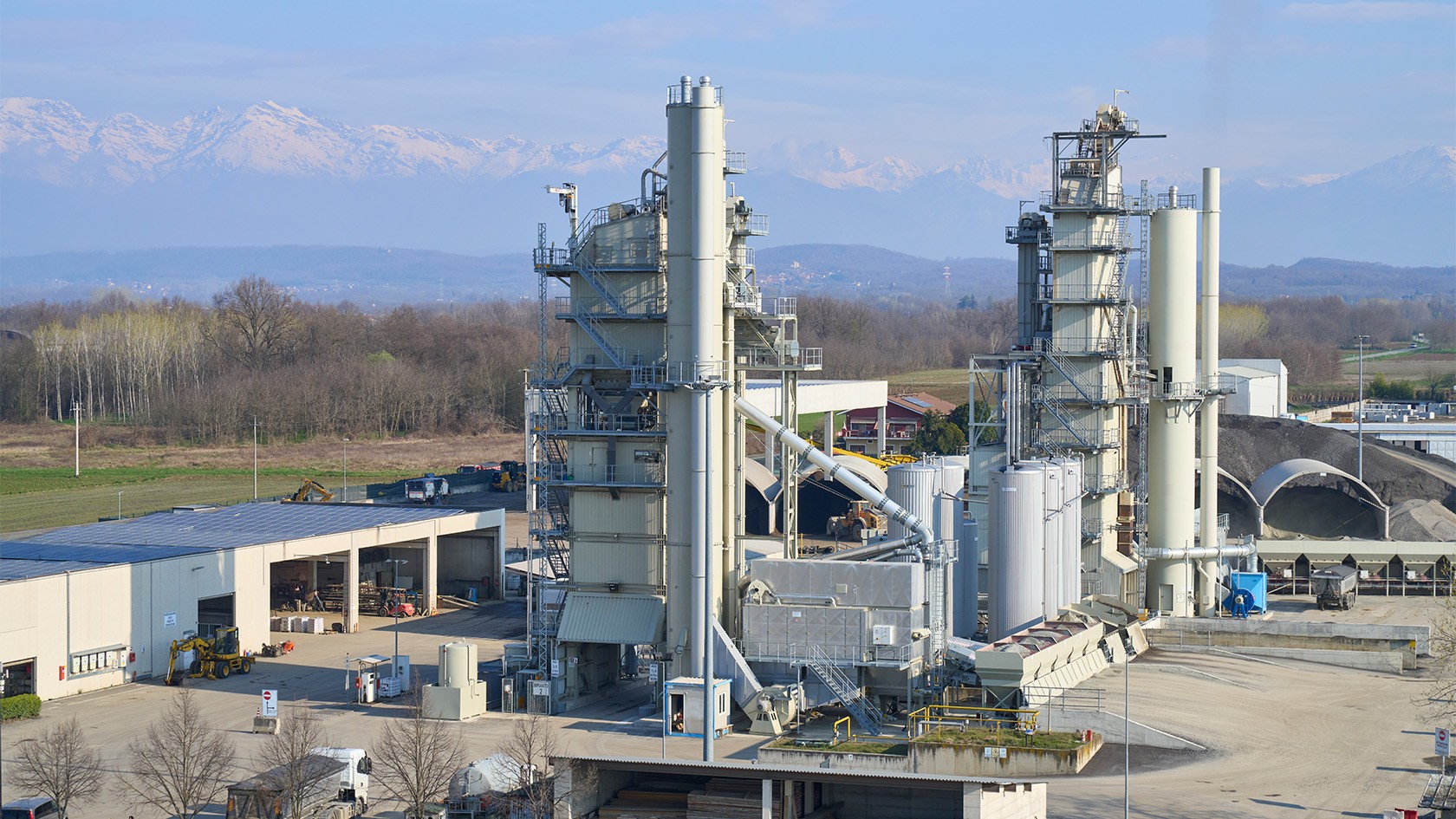
With its new TBA 3000 Plus, Italian construction company Bitux S.p.A. can confidently navigate an increasingly strict regulatory and environmental landscape. The Benninghoven plant doesn't just deliver on capacity, with up to 240 metric tons per hour and a wide range of mix designs, but thanks to Benninghoven‘s patented REVOC system, it also lets Bitux run high recycling rates while staying within Piedmont's strict volatile organic compound (VOC) emission limit of 30 mg/m³.
For asphalt plant operators, environmental requirements only seem to get tougher. Piedmont, where Bitux S.p.A. is headquartered near Turin, is no exception. In 2024, Italy's Ministry of Environment and Energy Security issued a regulation known as “CAM Strade”, requiring environmental impacts to be considered at every phase of infrastructure construction, from planning through maintenance. Among other things, the decree governs the emissions generated when using recycled asphalt. Bitux produces recycled asphalt mixes at its Foglizzo site, so the company had to act to keep delivering high recycling rates reliably and profitably over the long term.
Bitux knew what to expect from Benninghoven. The Italian company invested in a Benninghoven BA 5000 back in 2018, and it has delivered consistently high output, a wide range of mix designs, easy operation and maintenance, and reliable performance since day one.
So it's no surprise that, when purchasing a second plant, Bitux once again chose a technology solution from Benninghoven: the TBA 3000 Plus with the REVOC system. “We went with a second Benninghoven plant largely because of how reliable the first one has been. Since day one, we've had virtually no downtime,” reports Silvia Valle, CEO of Bitux S.p.A. There's another benefit, too. Both plants use identical controls, so operators never have to switch between systems. That consistency adds up to a real boost in efficiency.
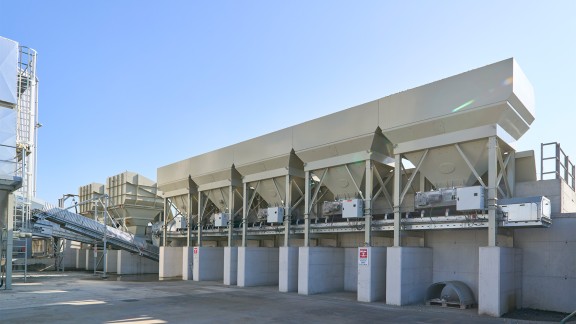
As raw material costs continue to rise, Bitux is maximizing the use of reclaimed asphalt pavement (RAP) to reduce its reliance on virgin materials, control production costs, and remain competitive. Italy currently caps the share of reclaimed asphalt at just 30%, but Bitux is already prepared in case that limit goes up. Both the BA 5000 and the TBA 3000 Plus can handle recycling rates of up to 40%.
With CAM Strade now in force, the industry has reached a turning point. The ministerial decree increases the allowable RAP content from 20% to up to 60%, provided that volatile organic compound (VOC) emissions are guaranteed to stay within the 30 mg/m³ limit. For plant operators, that requirement is now the central challenge, and it forced Bitux to rethink its approach in order to keep its operating permit.
You can read the exact provisions of CAM Strade here:
Information from the Italian government
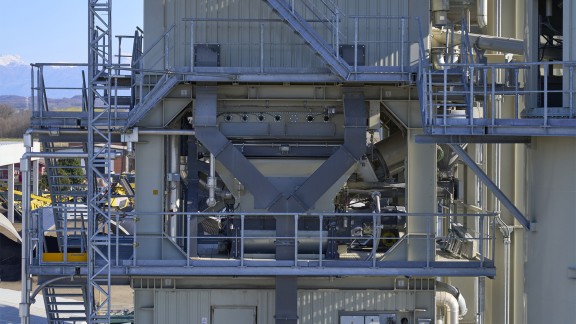
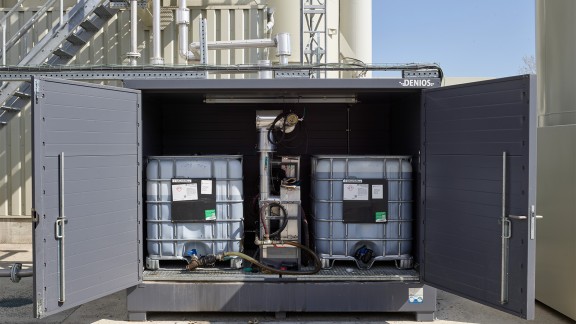
The solution came from Benninghoven‘s patented REVOC system, which was integrated into the TBA 3000 Plus. The patented technology complements existing cold and hot feed recycling systems. When the system is optimally tuned and tailored to the plant, operators can maximize RAP content while safely meeting the most stringent emission limits. The REVOC system plays a vital role in safeguarding a plant’s future, ensuring full regulatory compliance for operators while maintaining long-term economic viability.
Sidebar
How REVOC cuts total carbon emissions
When reclaimed asphalt (RAP) and the aged asphalt binder it contains are heated, carbon-containing compounds – or volatile organic compounds (VOCs) – evaporate. These vapors are routed into the REVOC system for thermal afterburning, where they are eliminated. The system is designed to ensure clean, complete combustion.
For Bitux, the 30 mg VOC limit is written into its environmental permit, the Autorizzazione Unica Ambientale (AUA), issued by the Metropolitan City of Turin. That's the authority responsible for plant emission regulations in the province of Turin.
Existing plants can be upgraded to the latest technological standards with only minor structural modifications. Over the past two years, Silvia Valle has seen the REVOC system exceed expectations on the required limits. It has also made the plant more efficient and cut operating costs. That's why Bitux’s CEO is now planning to retrofit the BA 5000 as well. Minor structural changes are enough to bring the existing plant up to the state of the art.
Since going into operation in 2018, the BA 5000 has produced an impressive 1.55 million metric tons of asphalt mix. The new TBA 3000 Plus has added another 20% to production. Having a second plant means output stays steady no matter what. “Being able to count on two plants has given us real stability, no question,” says Silvia Valle. But besides consistent output, there's another advantage too. Running the BA 5000 and the TBA 3000 Plus side by side lets Bitux handle special orders and standard production at the same time. By targeting niche markets, the company can now produce custom orders like colored asphalt cost-effectively and on demand. Previously, producing specialty mixes meant temporarily switching the entire plant over to a different mix design.
Bitux is also focusing on innovative solutions for the future. A key priority is the production of warm-mix asphalt using Benninghoven‘s foamed bitumen technology. The new module will undergo intensive testing in the coming months.
Sidebar: CAM Strade explained
The Italian ministerial decree of August 5, 2024 – issued by the Ministry of the Environment and Energy Security – establishes the Minimum Environmental Criteria (Criteri Ambientali Minimi, or CAM) for the construction, maintenance, and upgrading of road infrastructure. In the industry, these strict requirements are known as CAM Strade. The decree took effect on December 21, 2024 and was later supplemented by a further decree dated September 11, 2025.
What it covers