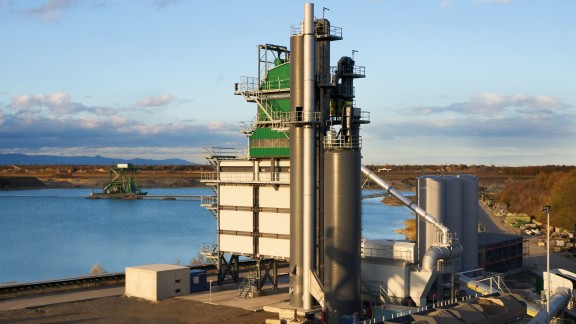
The catalyst in asphalt production.
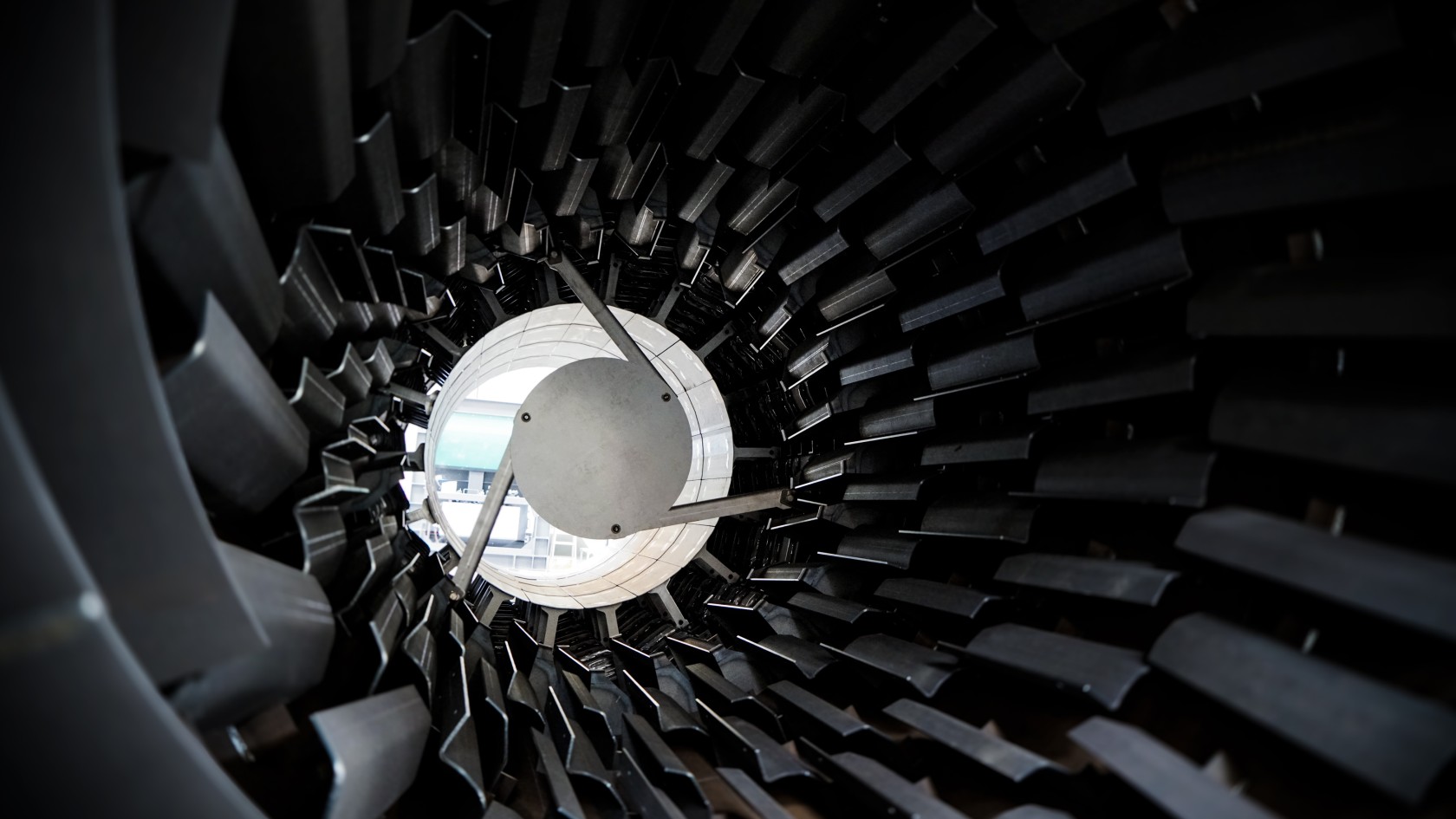

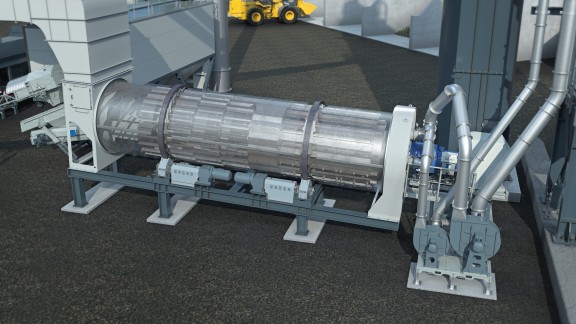
The Benninghoven REVOC system is a pioneering technology that enables plant owners to achieve higher recycled input rates of RAP while complying with stricter emissions limits.
The patented technology supplements existing cold-feed and hot-feed RAP systems in asphalt mixing plants, reducing total carbon emissions (TC/VOCs) when up to 50% RAP material is added. Specified limits of 50 mg/m³ are complied with.
The permissible emissions limits are being tightened up in many regions worldwide. Complying with these during asphalt production with RAP material is a challenge that plant owners have to tackle.
As soon as RAP material has to be added to the mixing process, complying with the permissible limits for TC from the volatile organic compounds (VOCs) becomes a complex task. TC has a higher greenhouse gas potential than CO₂ and is also hazardous to health at higher concentrations. In future, these emissions will have to be reduced as much as possible with the objective of securing both the future of the plant site and the operating license for existing asphalt mixing plants.
The key advantage of the REVOC system is that it can help to secure the future of asphalt mixing plants. This added efficiency, the use of RAP material and the emissions parameters allows plant owners to maintain the foundation of their business in the future.
In particular, in light of the ever more restrictive regulatory requirements, the REVOC system is the economical option for smooth operation.
The BENNINGHOVEN REVOC system is a complete process system. To reduce emissions and comply with standards and administrative regulations such as the German TA-Luft regulation, the entire process has to be considered: burner, fuel, recycling feed systems, dust collection system, dimension of the dryer drum and the REVOC system.
The emissions can only meet or fall below the required limits if these factors are perfectly coordinated technically and the plant is run expertly, with the targets in mind.
First, the exhaust gases are actively extracted directly where they are generated, primarily from the mixer in the asphalt mixing plant – where heated mineral, the recycling material and the bitumen come together to be mixed into fresh asphalt. The vapours with high TC concentrations are moved to the REVOC system for thermal post-processing.
The energy that is generated for drying and heating the virgin mineral (primary function) is used by the REVOC system to also burn off the TC (secondary function),
Using technology to work towards a more efficient use of energy and raw materials is the challenge of today and tomorrow. Solutions from Benninghoven can support the reduction of energy consumption and emissions while enabling asphalt mixing plants to run with a high reclaimed asphalt pavement (RAP) content to ensure the future of the facility.
Learn moreAsphalt production, recycling systems, combustion technology, control systems and bitumen technology – with BENNINGHOVEN technologies, every customer can find the right solution for their location, according to the specific requirements and conditions.
To the technologies